


 English
 中文简体
中文简体
Author: WeiBo
Date: Mar 13, 2026
What Is a Bimetallic Screw Barrel?
Content
- 1 Why Choose a Bimetallic Screw and Barrel Over Standard Ones?
- 2 Common Alloy Materials and Their Applications
- 3 Manufacturing Process: How Are They Made?
- 4 Bimetallic Screw Barrels in Different Extruder Types
- 5 When Should You Replace Your Barrel with a Bimetallic Unit?
- 6 Global Sourcing and Quality Standards
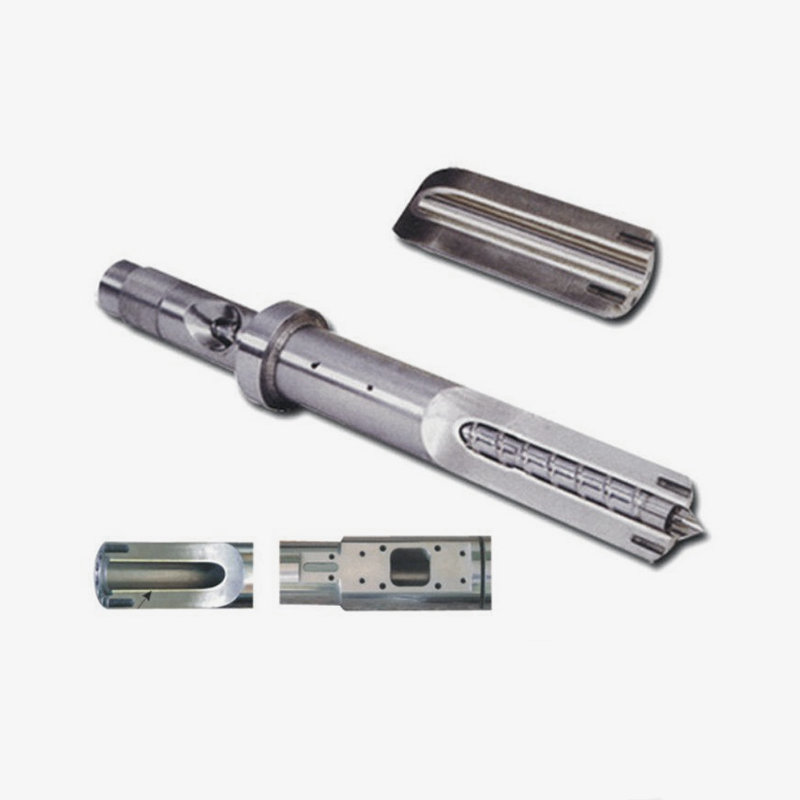
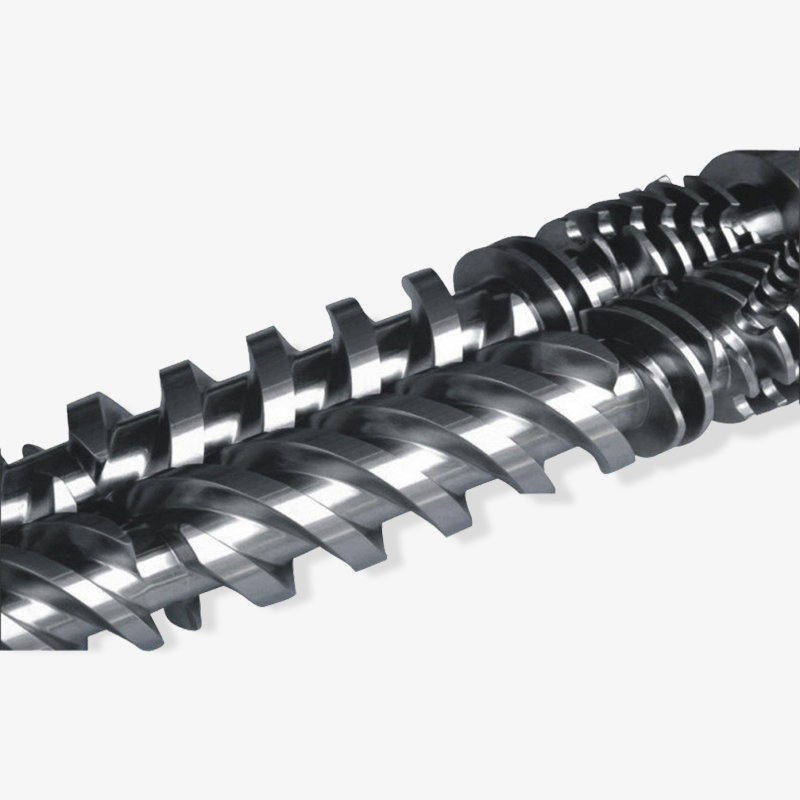
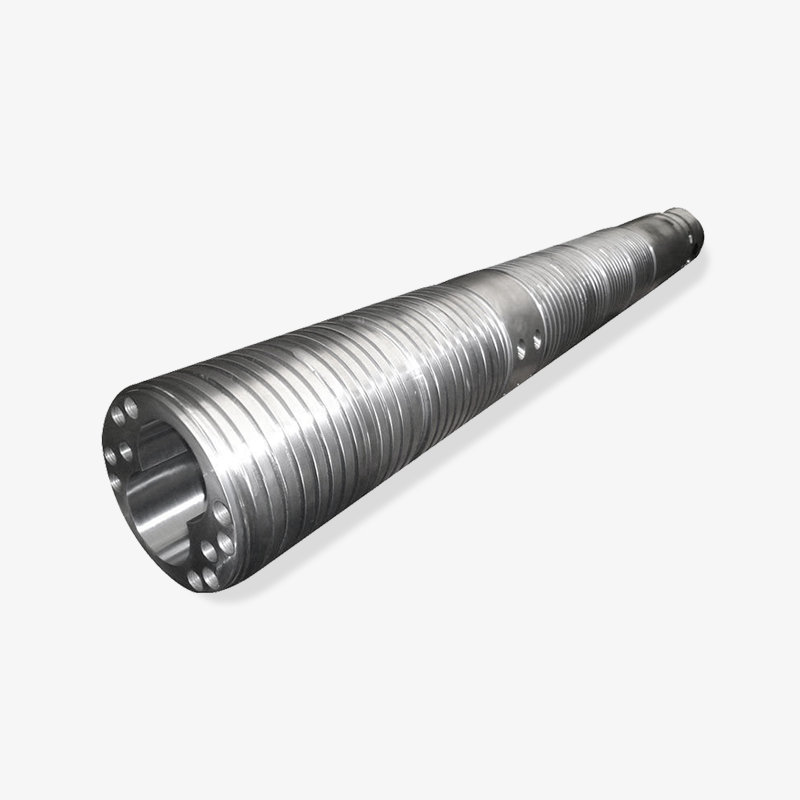
A bimetallic screw barrel is a high-performance cylinder lined with a wear and corrosion-resistant alloy, while the screw itself is often coated or made with similar tough materials. Unlike standard nitrided barrels, where hardness is only skin-deep (approximately 0.05-0.1 mm), bimetallic barrels feature a centrifugally cast inner alloy layer typically 1.5 mm to 2.0 mm thick. This metallurgically bonded layer provides superior longevity when processing highly filled plastics (e.g., with glass fiber, calcium carbonate) or corrosive polymers (e.g., PVC, flame-retardant materials).
Why Choose a Bimetallic Screw and Barrel Over Standard Ones?
The primary reason is service life extension by a factor of 2 to 4 times in harsh environments. Standard nitrided barrels fail quickly when processing materials with abrasive fillers. For example, when processing 30% glass-filled nylon, a standard barrel might wear out in 6-8 months, while a premium bimetallic barrel can last over 24 months. This directly translates to reduced downtime and lower total cost of ownership.
Key Performance Indicators
- Wear Resistance: Ideal for high-volume minerals like talc, glass fibers, and flame retardants.
- Corrosion Resistance: Essential for processing PVC, fluoropolymers, and halogenated fire retardants.
- High-Temperature Stability: Maintains mechanical properties at melt temperatures up to 450°C.
Common Alloy Materials and Their Applications
Different bimetallic alloys serve distinct purposes. Choosing the correct metallurgy is critical. Below is a comparison of common types used by manufacturers like Zhoushan microwave screw machinery Co., LTD.
| Alloy Type | Typical Composition | Hardness (HRC) | Best Application |
|---|---|---|---|
| Fe-based (Iron) | High Chrome, Boron | 50 - 55 | General purpose, filled polymers |
| Ni-based (Nickel) | Ni, Cr, Si, B | 45 - 50 | High corrosion (PVC, fluoropolymers) |
| Co-based (Cobalt) | Co, Cr, W | 40 - 48 | High temp & corrosion (450°C+) |
Manufacturing Process: How Are They Made?
The dominant method is centrifugal casting. The process involves:
- A steel tube (backing material) is heated to approximately 1100°C - 1200°C while rotating horizontally.
- The pre-alloyed powder is introduced into the rotating tube. Centrifugal force (up to 100 Gs) pushes the molten alloy against the inner wall.
- The alloy solidifies, forming a dense, metallurgically bonded layer.
- The barrel is then stress-relieved, rough bored, and finish machined to precise tolerances (often within 0.02 mm).
Companies like Zhoushan microwave screw machinery Co., LTD utilize this foreign technology to ensure consistent bond strength, preventing the lining from peeling or flaking during operation.
Bimetallic Screw Barrels in Different Extruder Types
Bimetallic technology is applied across various machine configurations, each serving a specific market need. Here are examples from a typical manufacturer's product line:
1. Single Screw Extruders (SJ Series)
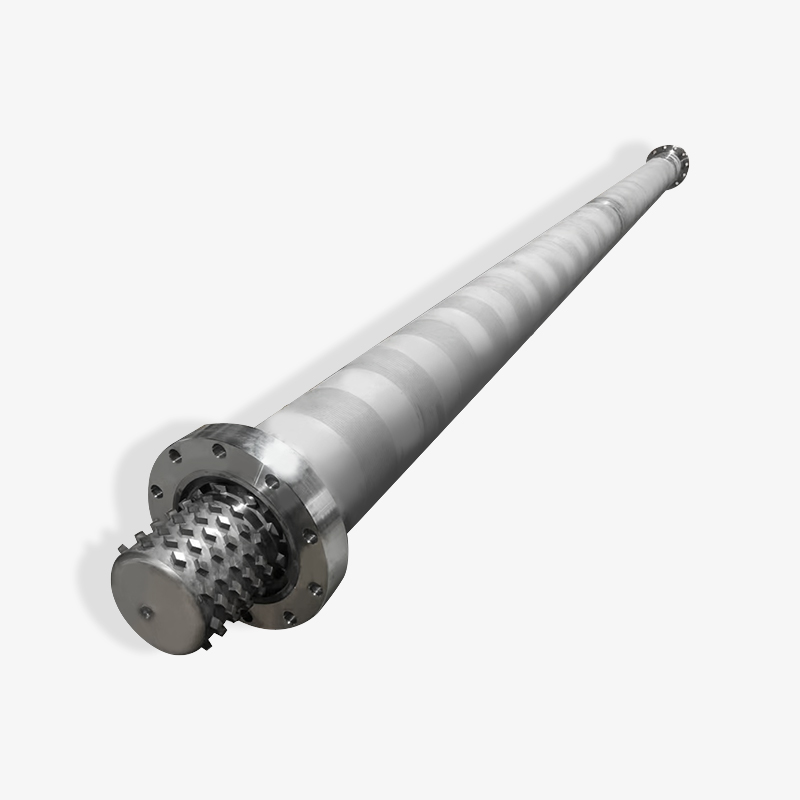
Used for general pelletizing, pipe, and sheet extrusion. A bimetallic barrel here ensures uniform melt temperature and resistance to wear from fillers in masterbatch production.
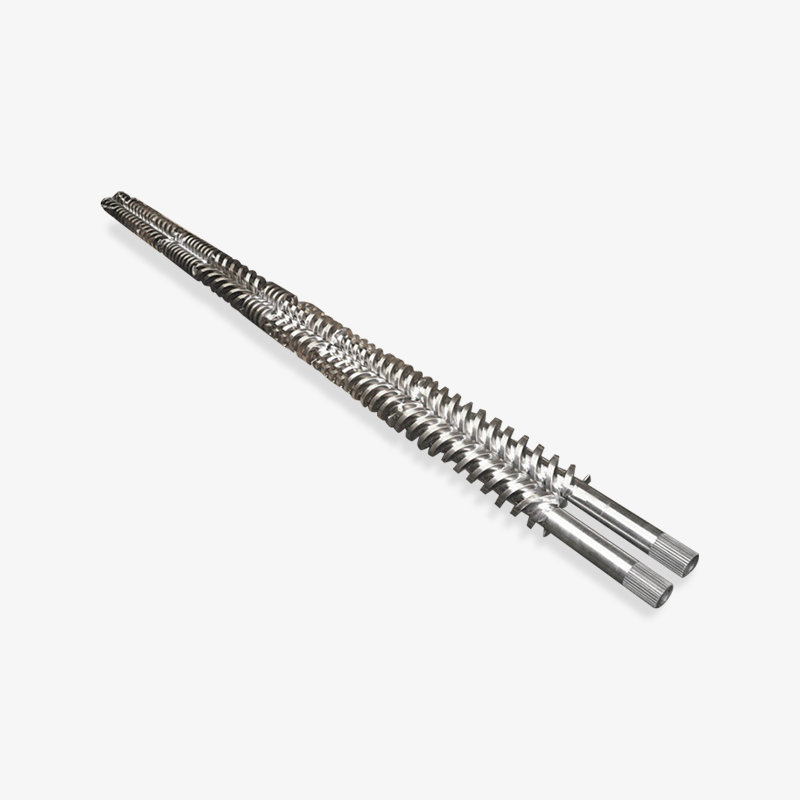
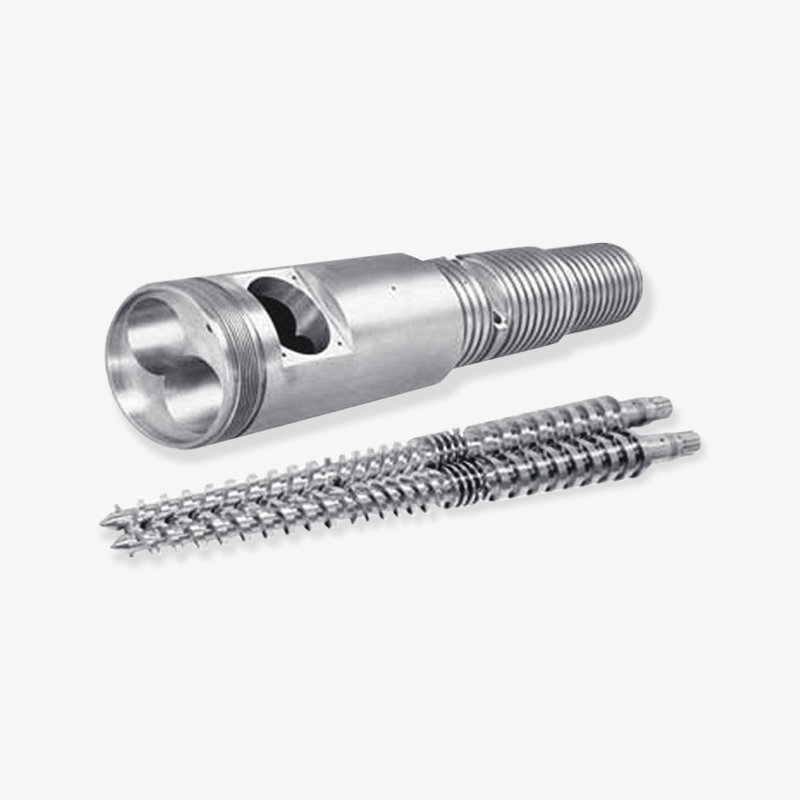
2. Conical Twin Screw Extruders (SJS Series)
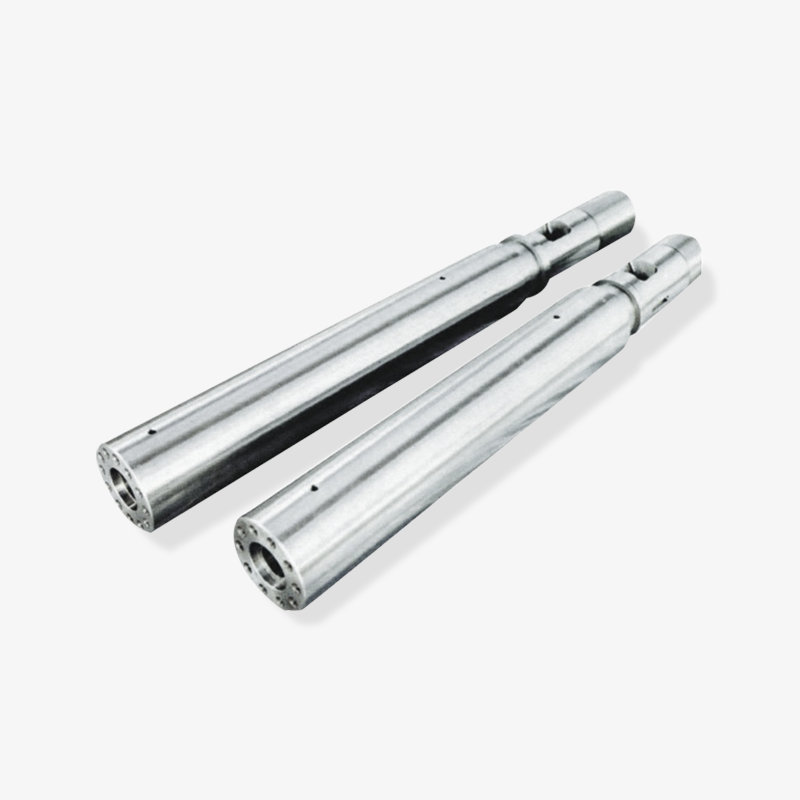
Primarily for PVC pipe and profile extrusion. The bimetallic lining is critical here due to the corrosive HCl gas released during PVC processing. A Ni-based alloy lining is standard for these applications.
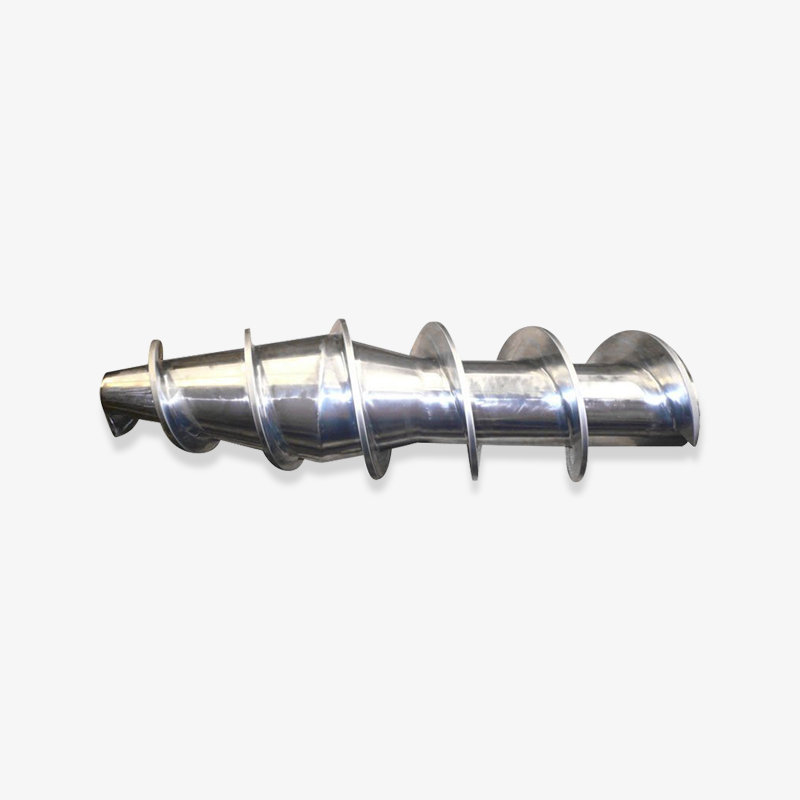
3. Planetary Roller Extruders (WB-WE Series)
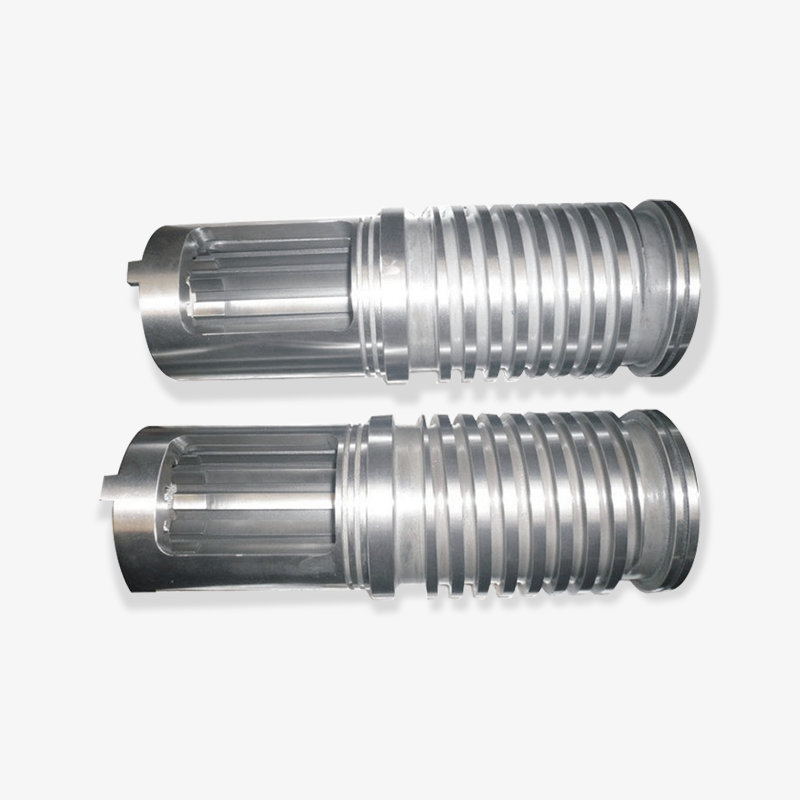
Used for high-precision calender feeding and sensitive material processing. The planetary section requires extreme hardness to withstand the rolling friction of multiple spindles.
When Should You Replace Your Barrel with a Bimetallic Unit?
Consider upgrading if you observe these failure signs:
- Increased I.D. (Inner Diameter): Worn barrels show a larger diameter at the feed or compression zone. If the increase exceeds 0.5% of the nominal diameter, output drops significantly.
- Metal Contamination: If you find metal particles in the final product (e.g., in sheet or film), the barrel or screw is spalling.
- Output Fluctuation: Wear increases the clearance between the screw flight and barrel. If the gap doubles from the original design (e.g., from 0.10 mm to 0.20 mm), melt pressure becomes unstable.
Upgrading to a bimetallic barrel at this point restores the precise clearance and often increases plasticizing capacity by 10-20% compared to a worn standard barrel.
Global Sourcing and Quality Standards
The market for bimetallic components is global. For instance, manufacturers based in Zhoushan, China (a major production hub), such as Zhoushan microwave screw machinery Co., LTD, export extensively to the USA, Germany, Vietnam, and Thailand. When sourcing internationally, buyers should verify:
- The specific alloy composition and hardness (HRC) data.
- The bond strength of the alloy layer (destructive testing reports).
- Straightness and tolerance certifications (e.g., ISO 9001 compliance).
A reputable supplier provides these specs, ensuring that the bimetallic screw barrel meets the demanding requirements of modern plastic production.
Selected Bearing Display


 浙公网安备33090202000520号