


 English
 中文简体
中文简体
Author: WeiBo
Date: Jan 02, 2026
Why is a Single Screw Extruder unsuitable for processing powder or high-filler content materials?
Although single screw extruders are the workhorse of plastic processing, they have technical limitations when processing certain materials. Zhoushan Microwave Screw Machinery Co., LTD.'s product design primarily targets high-flow plastic raw materials; the following is an analysis of its technical limitations:
1. Insufficient Shear Force Leading to Uneven Mixing
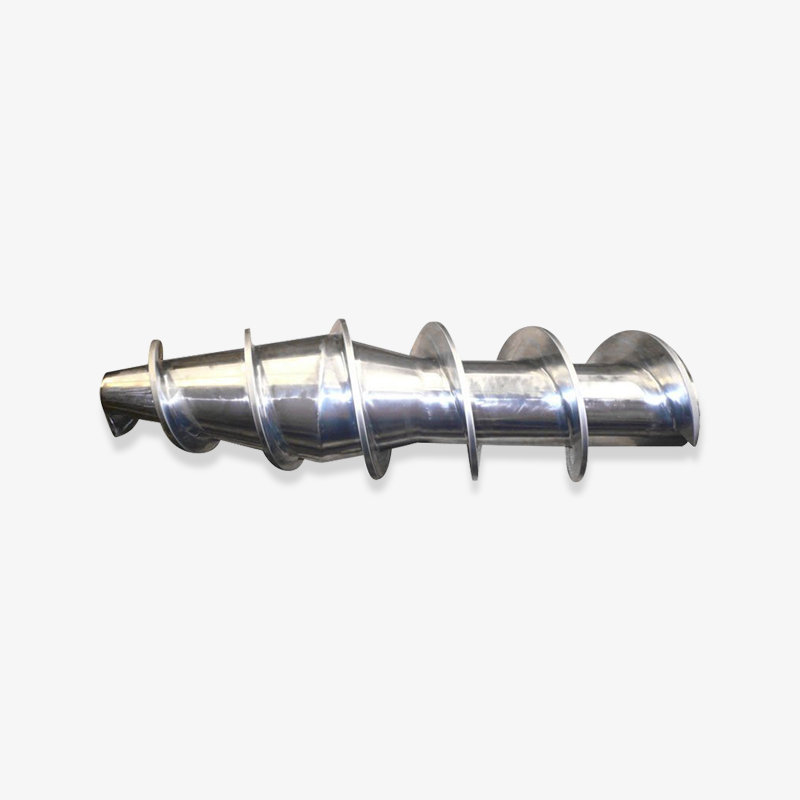
Technical Explanation: The single-screw structure mainly relies on the rotation of the screw to propel the raw materials forward, and the shear force mainly comes from the friction between the screw and the cylinder wall. For powder or high-filler materials, this shear force is far from sufficient to thoroughly mix the filler with the base material, easily leading to "hollow spheres" or filler aggregation.
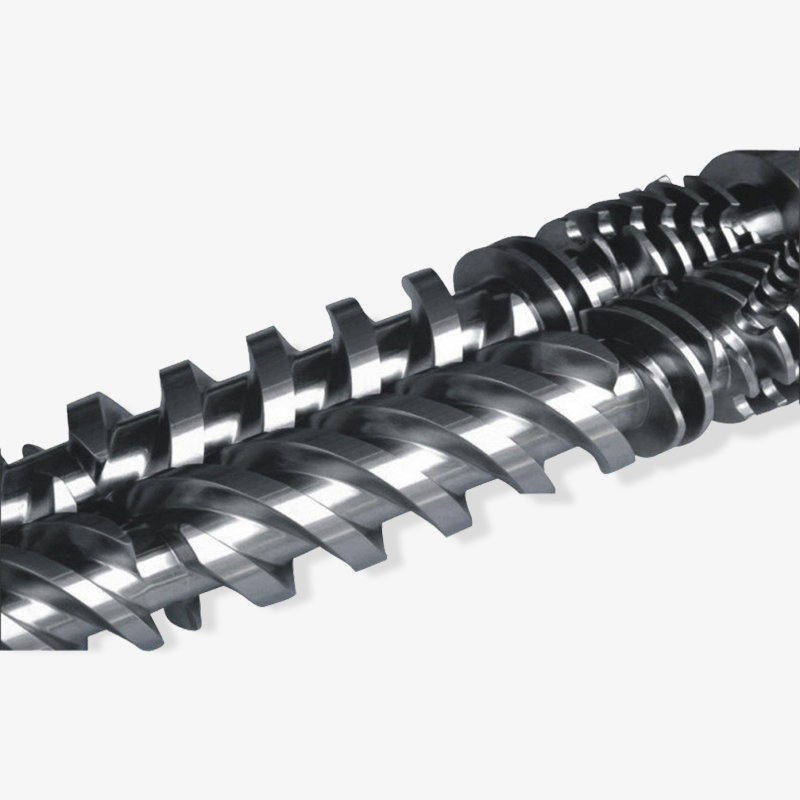
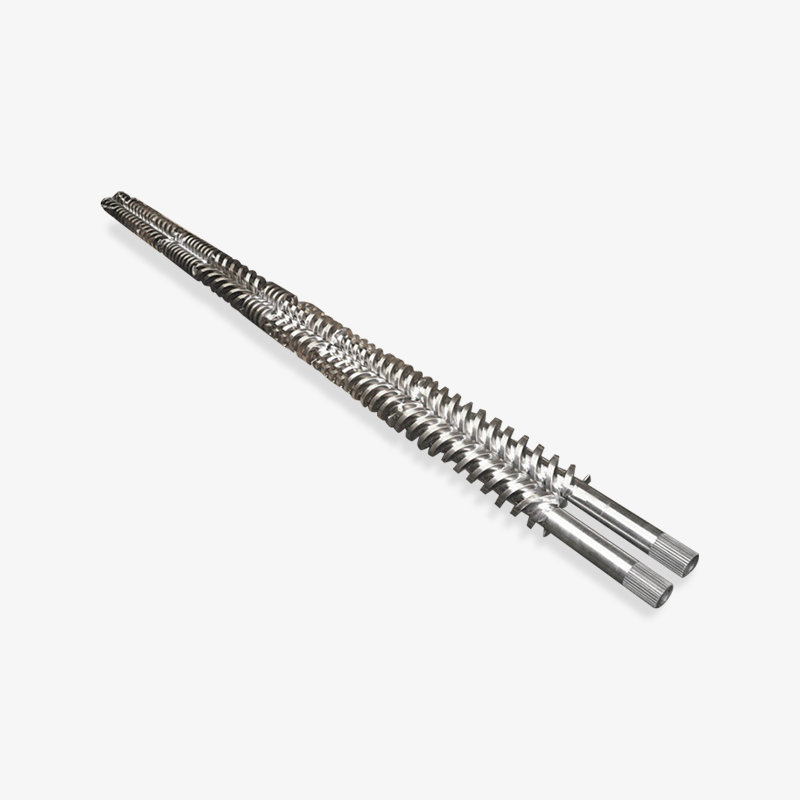
Comparative Explanation: In Zhoushan's product line, for high-filler materials, it is usually recommended to use their "SJS series twin-screw" or "WB-WE series planetary screw" extruders, because twin-screw or planetary screw extruders have stronger mixing capabilities.
2. Insufficient Wear Resistance Leading to Blockage
Technical Explanation: Powder and high-filler materials usually contain filler particles with high hardness (such as calcium carbonate, talc powder). These particles cause significant wear on the screw and cylinder wall. Actual performance: In single screw extruders, this high wear can lead to thread damage or surface roughness, which in turn prevents the material from being discharged smoothly, causing blockages.
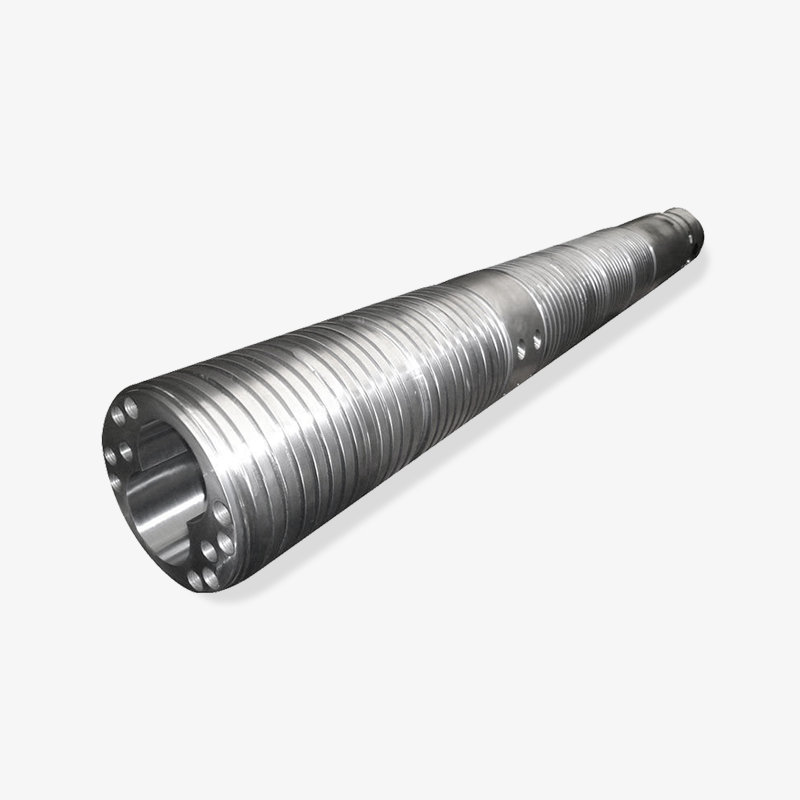
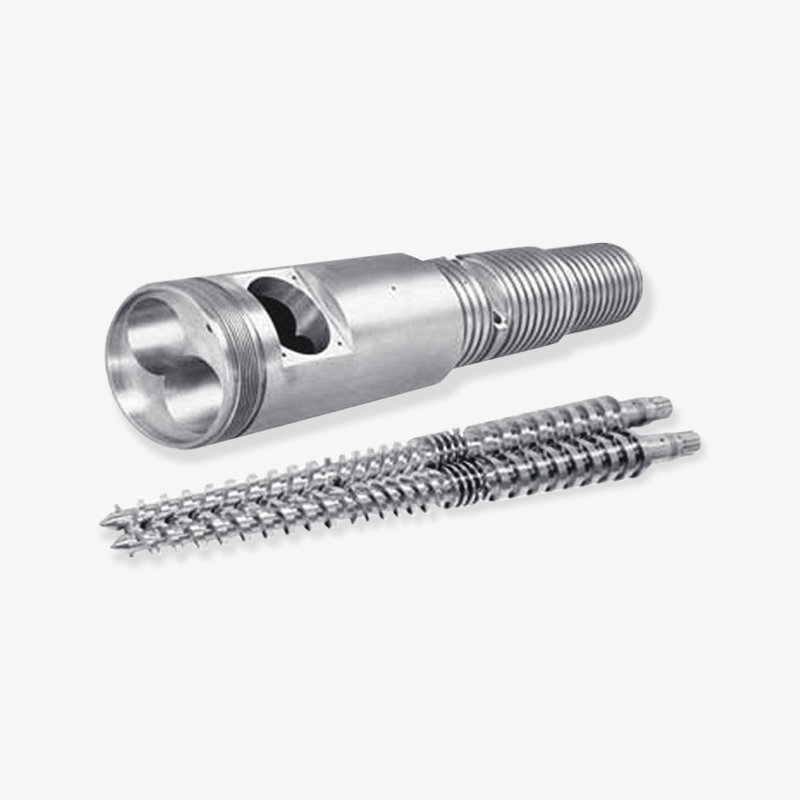
Solution: If a single-screw extruder must be used, it is recommended to choose a "planetary screw" or "conical twin-screw" extruder manufactured in Zhoushan, as their structural design is better able to withstand high wear.
Selected Bearing Display


 浙公网安备33090202000520号