


 English
 中文简体
中文简体
Author: WeiBo
Date: Apr 17, 2026
What causes poor plasticization in a single-screw barrel during high-speed extrusion?
Content
- 1 Causes and Solutions for Poor Plasticization in High-Speed Extrusion
- 2 Root Causes of Extrusion Fluctuations
- 3 Degassing and Devolatilization Mechanisms
- 4 Temperature Control System Configuration
- 5 Screw and Barrel Wear Prevention
- 6 Resolving Screw-Nut Seizing Issues
- 7 Routine Maintenance and Upkeep Requirements
- 8 Barrel Replacement and Repair Criteria
Causes and Solutions for Poor Plasticization in High-Speed Extrusion
Poor plasticization during high-speed extrusion is primarily caused by inadequate shear heating, improper screw design, or insufficient barrel temperature. To resolve this issue, operators should increase screw speed gradually to ensure sufficient shear force, verify heating element functionality across all barrel zones, and optimize screw geometry for the specific polymer being processed.
At high speeds, the material may not receive adequate residence time for complete melting. The screw speed should be increased gradually rather than abruptly to ensure the plastic material is subjected to sufficient shear force without causing excessive heat generation that could damage the screw.
Key Contributing Factors
- Low screw speed: Insufficient rotation fails to generate adequate shear force and heat for complete melting
- Inadequate heating: Barrel temperatures below the polymer's melting point prevent proper plasticization
- Wrong screw design: Incompatible screw geometry for the specific plastic material results in inefficient mixing
Resolution Strategies
When addressing poor plasticization, first inspect heating elements in the barrel to ensure proper function. Replace faulty heating elements or adjust temperature settings as needed. For persistent issues, consult with a professional engineer to select the appropriate screw design, as different plastics require different screw geometries to achieve optimal plasticization.
Root Causes of Extrusion Fluctuations
Extrusion fluctuations in single-screw extruders typically stem from inconsistent feeding, screw wear, temperature variations, or material property changes. These variations manifest as output instability, pressure oscillations, and dimensional inconsistencies in the final product.
Feeding inconsistencies represent the most common source of fluctuation. Material bridging in the hopper, uneven pellet flow, or contamination can interrupt the steady-state operation. Installing magnetic absorption parts or magnetic racks at feeding points prevents iron impurities from entering the barrel, which could cause blockages and flow disruptions.
Mechanical and Thermal Factors
Screw and barrel wear significantly contribute to output instability. As clearance between the screw flight and barrel wall increases, backflow occurs, reducing pumping efficiency. Regular measurement of screw flight outer diameter and barrel bore inner diameter at multiple points helps detect clearance growth before output drops.
Temperature control inconsistencies across barrel zones create viscosity variations in the melt, leading to pressure fluctuations. Monitor all temperature zones for consistency and inspect heater bands for proper contact and fit to maintain stable extrusion conditions.
Degassing and Devolatilization Mechanisms
Single-screw extruders achieve degassing and devolatilization through strategically positioned vent ports that create low-pressure environments for volatile removal. The extruder removes gaseous impurities, residual solvents, and unreacted monomers while conveying, melting, and homogenizing the polymer.
The devolatilization process relies on creating a pressure gradient that directs volatiles toward the discharge without re-condensation. A side vent of reduced pressure constitutes a macroscopic region of vapor release, removing pockets and shortening dwell time while minimizing cumulative polymer exposure to heat.
Advanced Devolatilization Systems
Modern single-screw extruders like the MRS (Multi Rotation Section) system incorporate multiple satellite single screws within a drum section, significantly increasing surface area exposure for volatile removal. This design enables processing of post-consumer polyester directly into high-quality end products without pre-drying, using a simple water ring vacuum system.
| Parameter | Optimal Range | Impact on Devolatilization |
|---|---|---|
| Vacuum Level | 50-500 mbar | Higher vacuum increases volatile removal efficiency |
| Melt Temperature | Polymer-specific +20-40°C | Reduces saturation threshold for volatiles |
| Residence Time | 2-5 minutes | Longer time improves extraction but risks degradation |
| Fill Level | 40-60% | Partial fill exposes more surface area for gas release |
Screw speed governs devolatilization efficacy by modulating axial residence time. Elevated screw speeds can augment throughput but may curtail volatile residence time, inhibiting effective gas extraction. Therefore, an integrated adjustment of screw speed alongside feed temperature, venting vacuum, and channel fill must be enacted to maintain an optimal devolatilization balance.
Temperature Control System Configuration
Single-screw extruder temperature control systems consist of multiple heating and cooling zones along the barrel, each equipped with heater bands, thermocouples, and cooling circuits to maintain precise thermal profiles. Modern systems utilize PID controllers with real-time monitoring to ensure consistent melt temperature throughout the extrusion process.
Zone Configuration Standards
A typical single-screw extruder with a length-to-diameter (L/D) ratio of 21:1 incorporates three barrel temperature and heating-cooling zones. The first 2.5 diameters of the screw are typically inside a water-cooled feed casing to prevent premature melting and material bridging.
Standard zone configuration follows this pattern:
- Feed zone: Water-cooled to maintain 40-80°C, preventing premature melting
- Compression zone: Heated to 180-220°C depending on polymer type
- Metering zone: Maintained at 200-240°C for optimal flow characteristics
Cooling System Implementation
Cooling systems prevent material decomposition by maintaining required temperatures during extrusion. The inner wall of cooling water pipes attached to the extruder is prone to scale buildup, while the outer surface is susceptible to corrosion. Regular descaling and anti-corrosion measures are essential maintenance requirements.
Advanced temperature control systems include thermocouples and PID controllers that help maintain precise heating. Using distilled water in cooling tanks prevents scaling and maintains effective cooling efficiency.
Screw and Barrel Wear Prevention
Wear between the screw and barrel can be prevented through proper material selection, optimized operating conditions, and regular lubrication maintenance. Hard chrome-plated screws typically last 8,000 to 15,000 operating hours before requiring replacement or refurbishment.
Material Selection Strategies
Nitrided steel serves as the preferred barrel material because it creates a hard surface that also resists corrosion. For applications requiring high performance, bimetallic barrels with additional wear-resistant coatings become necessary. Tungsten carbide coating on screw barrels provides maximum service life and durability for processing abrasive and corrosive materials.
For screws processing abrasive plastic materials, select materials resistant to wear and corrosion. Hardened steel or specially coated screws provide better wear resistance compared to standard carbon steel.
Design Optimization Parameters
Proper flight clearance is essential for efficient material conveying and to prevent excessive wear. Too little clearance causes material drag and accelerated wear, while too much clearance leads to material slip and reduced mixing efficiency. The barrel surface should be smooth and defect-free to minimize friction.
Operating conditions significantly impact wear rates. Avoid operating the extruder at excessively high screw speeds and pressures, as these increase friction between the screw and barrel. Instead, find optimal operating parameters that balance productivity and screw lifespan.
Resolving Screw-Nut Seizing Issues
Screw-nut seizing is resolved through proper lubrication, torque management, anti-seize compound application, and material compatibility verification. This issue typically occurs due to galling between threaded components under high temperature and pressure conditions.
Immediate Remediation Steps
When seizing occurs, first apply penetrating oil and allow sufficient dwell time for the lubricant to penetrate the threads. Gentle heating of the outer component (nut) while cooling the inner component (screw) can create differential thermal expansion that loosens the connection. Avoid excessive force that could damage threads or break the fastener.
Prevention Protocols
Prevent seizing by applying high-temperature anti-seize compounds to all threaded connections before assembly. Use lubricants designed for high-temperature and high-pressure conditions, and ensure regular checks and adjustments to the lubrication system.
During maintenance, check the locking of all fasteners including heating ring screws, terminal blocks, and external shield elements. Replace sealing gaskets promptly at any leaking points to ensure proper lubricant retention and prevent contamination.
Routine Maintenance and Upkeep Requirements
Routine maintenance of single-screw extruders includes daily cleaning, lubrication verification, fastener inspection, and systematic monitoring of temperature, pressure, and vibration parameters.
Daily Maintenance Protocol
Daily maintenance should be completed by the extruder operator during startup and shutdown, generally not occupying equipment working hours. Key tasks include [^45^]:
- Clean the machine thoroughly after each production run
- Lubricate all moving parts according to manufacturer specifications
- Tighten loose threaded parts and check fastener integrity
- Check for material leakage at connections, especially at gearbox interfaces
- Verify magnetic frame presence and cleanliness in hopper
- Inspect cooling water flow and temperature
Scheduled Maintenance Intervals
Regular maintenance is generally carried out after the extruder has been running continuously for 2,500-5,000 hours. The machine requires disassembly to inspect, measure, and identify wear of main parts, replacing components that have reached specified wear limits.
| Component | Inspection Task | Frequency |
|---|---|---|
| Screw & Barrel | Measure diameters, inspect for grooves/cracks | Daily visual / Annual measurement |
| Gearbox | Check oil level, quality, bearing noise | Weekly |
| Heater Bands | Verify contact, tightness, functionality | Monthly |
| Cooling System | Clean strainers, check flow rate/pressure | Monthly |
| Drive System | Check belt tension, coupling alignment | Quarterly |
For new machines, gearbox oil is typically changed every 3 months, then every 6 months to 1 year thereafter. Oil filters and suction pipes should be cleaned monthly. The reducer requires lubricating oil specified in the machine manual, added according to the specified oil level—too little causes poor lubrication and reduced part life, while too much creates excessive heat and potential lubrication failure.
Barrel Replacement and Repair Criteria
A single-screw barrel requires replacement or repair when internal diameter increases exceed 0.5-1.0% of original specifications, surface hardness drops below 58 HRC, or visible scoring/grooving exceeds 0.5mm depth.
Measurement and Assessment Criteria
Annual measurement of screw outer diameter and barrel inner diameter is mandatory to monitor wear progression. Measure at multiple points along the axial length to identify uneven wear patterns. When clearance between screw flight and barrel wall exceeds manufacturer specifications by more than 50%, replacement or repair is recommended.
Repair Options and Thresholds
Surface coating repair using wear-resistant metals or alloys can restore the barrel and improve hardness and durability. Surface heat treatments such as nitriding or carbonitriding increase surface hardness and friction resistance. For barrels with significant dimensional changes, precision grinding repair can restore original geometry.
For bimetallic barrels, the wear-resistant lining can often be replaced without discarding the entire barrel housing, reducing costs by 40-60% compared to complete replacement. In cases of severe or irreversible damage, replacing the entire barrel becomes the most reliable solution.
Decision Matrix
- Repair: Localized wear less than 30% of surface area, diameter increase under 0.3%
- Relining: Bimetallic barrels with worn lining but sound housing structure
- Replacement: Diameter increase exceeds 0.5%, hardness below 58 HRC, or structural damage present
When the extruder requires long-term shutdown, apply anti-rust grease to the working surfaces of the screw, die, and head. Small screws should be suspended or placed in special wooden boxes, leveled with wooden blocks to prevent deformation or damage.
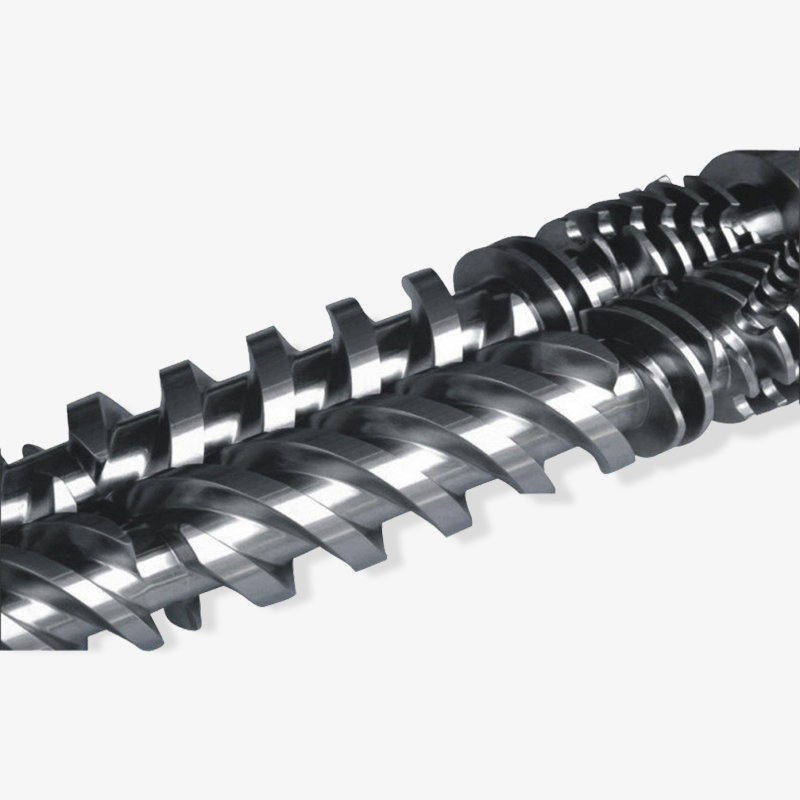
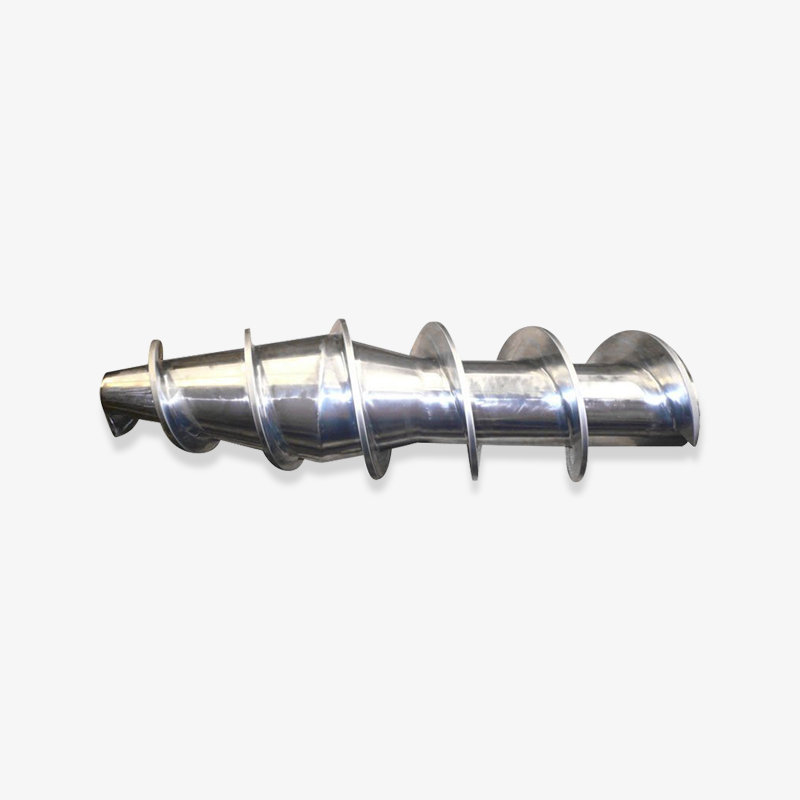
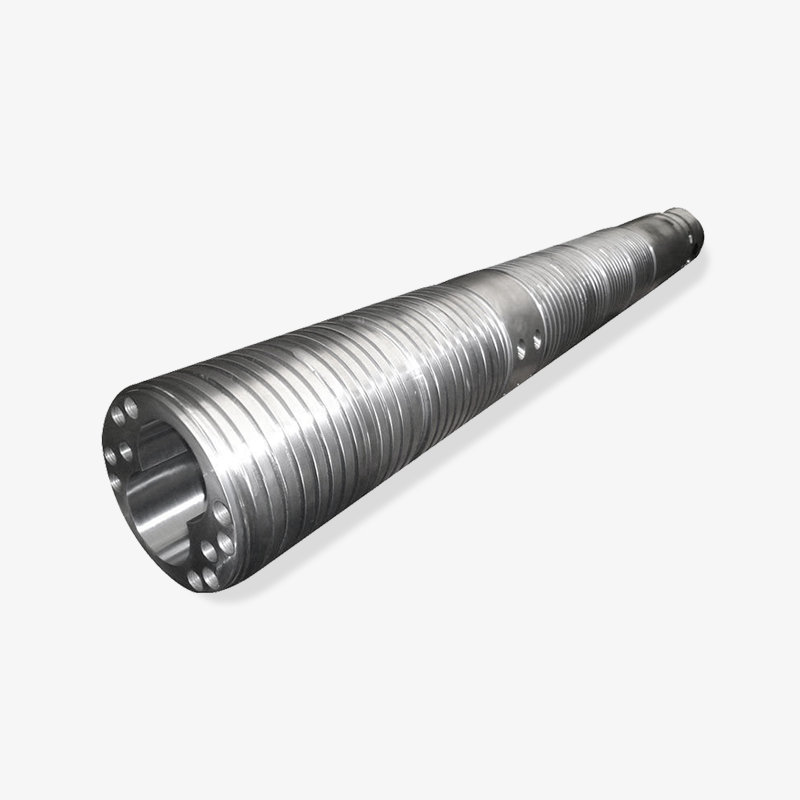
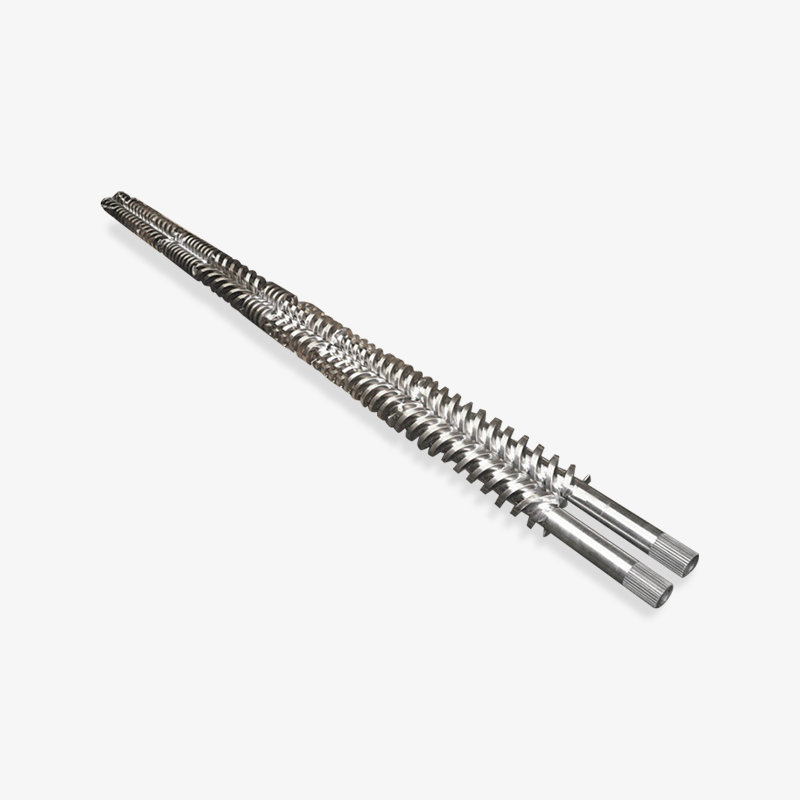
Selected Bearing Display


 浙公网安备33090202000520号