


 English
 中文简体
中文简体
Author: WeiBo
Date: Apr 10, 2026
How to use Conical Twin Screw Extruder?
Content
Core Operating Principles
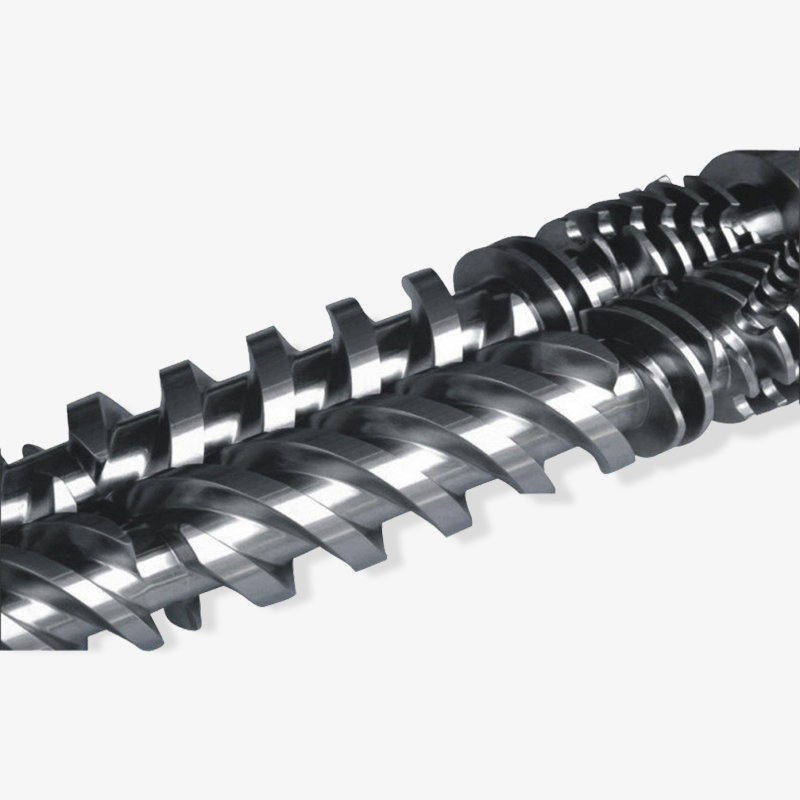
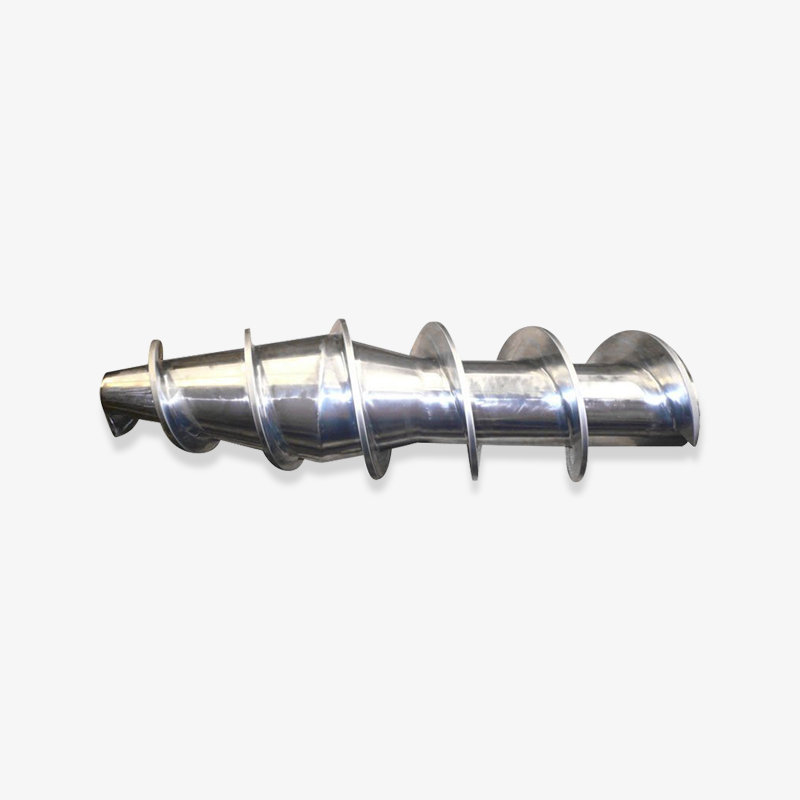
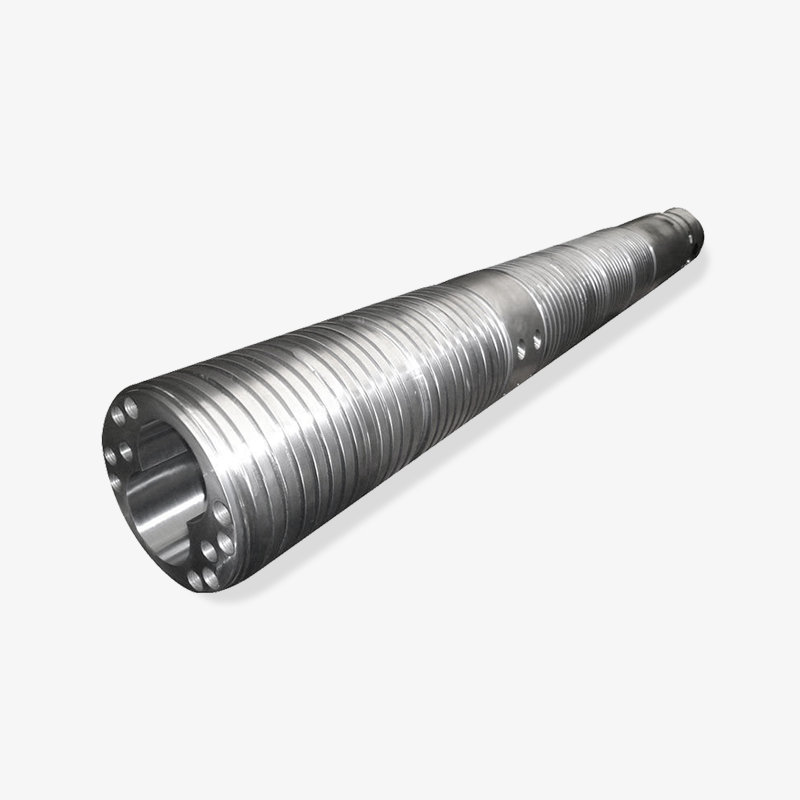
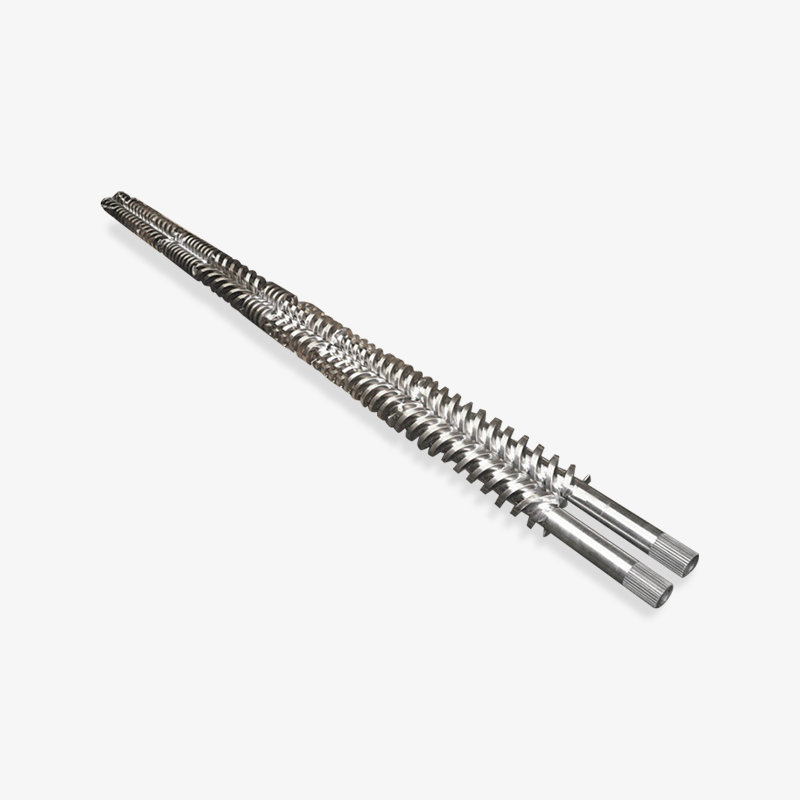
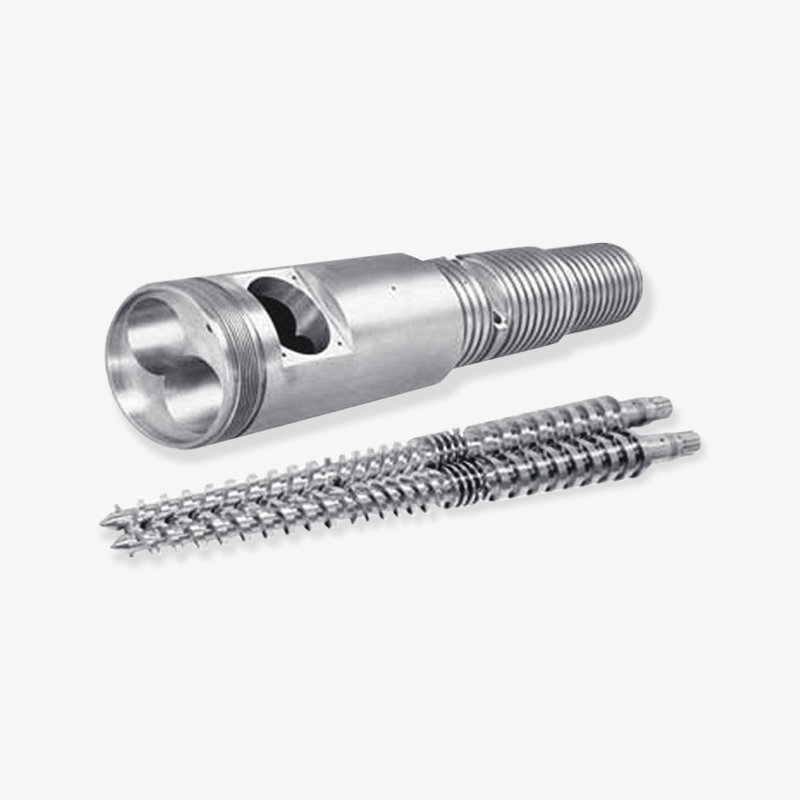
The conical twin screw extruder operates on the principle of positive conveying and self-wiping action between two intermeshing screws rotating in opposite directions within a conical barrel. Unlike parallel twin screw systems, the conical design features screws with diameters varying from 65mm to 130mm (typical range) along the processing length, creating increasing shear intensity as material progresses toward the die.
Key operational advantages include 30-40% higher torque capacity compared to parallel designs of equivalent motor power, enabling processing of high-fill formulations up to 85% calcium carbonate loading in PVC pipe production. The conical geometry naturally creates pressure buildup without restrictive die designs, reducing energy consumption by approximately 15-20% in profile extrusion applications.
Step-by-Step Startup Procedure
Pre-Operational Checks
Before initiating production, verify barrel temperature zones reach setpoints within ±2°C tolerance. Typical PVC processing requires zone 1 (feed) at 165-175°C, zone 2 at 175-185°C, zone 3 at 180-190°C, and die zone at 185-195°C. Confirm screw cooling water flow rates exceed 5 liters per minute per circuit to prevent thermal degradation of bearing assemblies.
Material Loading Sequence
- Start main motor at 10-15 RPM with empty barrel
- Introduce purge compound (typically 5-8 kg of low-MFI polyethylene) through feed throat
- Gradually increase speed to 25 RPM while monitoring motor load (target 40-60% of rated amperage)
- Switch to production formulation only after purge material exits die cleanly
- Ramp to production speed (35-50 RPM for rigid PVC) over 3-5 minutes
Critical Process Parameters
Maintaining optimal processing windows ensures consistent output quality and prevents premature screw/barrel wear. The following table outlines standard operating ranges for common applications:
| Parameter | Rigid PVC Pipe | PVC Profile | WPC Compounding |
|---|---|---|---|
| Screw Speed (RPM) | 35-45 | 20-35 | 15-25 |
| Melt Temperature (°C) | 185-195 | 175-185 | 160-175 |
| Motor Load (%) | 65-80 | 50-70 | 75-90 |
| Vacuum Level (bar) | -0.6 to -0.8 | -0.5 to -0.7 | -0.4 to -0.6 |
| Output Rate (kg/h) | 250-400 | 150-280 | 300-500 |
Vacuum venting represents a critical control point—insufficient degassing (below -0.4 bar) results in porous extrudates, while excessive vacuum (above -0.9 bar) risks drawing unmolten powder into the vacuum pump, causing contamination and mechanical damage.
Essential FAQ: Troubleshooting Common Issues
Why does motor load spike during startup?
Sudden amperage increases exceeding 90% of rated capacity typically indicate either bridged material in the feed section or excessive regrind incorporation. Verify feed throat temperature stays below 80°C to prevent premature fusion blocking conveyance. For high-fill compounds, reduce feed rate by 20% until stable flow establishes.
How to address inconsistent melt temperature?
Temperature fluctuations exceeding ±5°C at the die indicate degraded heat transfer efficiency. First inspect barrel heater bands for uniform contact—gaps as small as 2mm between band and barrel surface create localized cold spots. Replace thermocouples showing response delays over 30 seconds to temperature changes. For zones 2-3, verify cooling channel flow rates remain above 8 L/min during high-speed operation.
What causes excessive screw wear after 2,000 operating hours?
Normal wear rates for nitrided screws processing rigid PVC measure 0.05-0.08mm per 1,000 hours on flight crests. Accelerated degradation (exceeding 0.15mm/1,000h) suggests abrasive filler content above formulation specifications or insufficient barrel temperature causing solid-state grinding. Implement bimetallic barrel liners (Colmonoy 6 or equivalent) when processing formulations containing more than 15% calcium carbonate to extend service life beyond 15,000 hours.
Why does output rate drop 15% below specification?
Reduced throughput without corresponding motor load decrease indicates slip at the screw/barrel interface. Check for:
- Barrel wall thickness reduction below 85% of original specification due to corrosion
- Screw root diameter wear exceeding 0.3mm from design tolerance
- Feed section temperature exceeding 90°C causing premature material sticking
Restoring original screw/barrel clearance tolerances (0.15-0.25mm for 65/132 machines) typically recovers 90-95% of rated output capacity.
Maintenance Protocols for Longevity
Preventive maintenance intervals directly correlate with production consistency and capital equipment lifespan. Critical maintenance windows include:
- Every 500 hours: Inspect screw cooling circuit strainers; clean if pressure differential exceeds 0.5 bar
- Every 2,000 hours: Measure screw flight wear at three axial positions using micrometer; record baseline for trend analysis
- Every 4,000 hours: Replace gearbox lubricant (ISO VG 320 synthetic) and inspect thrust bearing clearances
- Every 8,000 hours: Perform complete screw/barrel dimensional survey; schedule refurbishment when radial clearance exceeds 0.4mm
Adhering to these intervals reduces unplanned downtime by 60-75% compared to reactive maintenance strategies, based on industry benchmark studies of 150+ production facilities processing rigid PVC compounds.
Advanced Process Optimization
For high-value applications requiring ±0.05mm dimensional tolerance (medical tubing, precision profiles), implement gravimetric feed control with 0.1% batch consistency. Install melt pressure transducers at barrel positions 4D and 8D from die (where D equals screw major diameter) to monitor viscosity stability—pressure variation below ±2% indicates optimal plasticization.
Energy optimization strategies include maintaining barrel setpoints at the lower third of recommended ranges while compensating with 5-10 RPM speed increase, reducing specific energy consumption from typical 0.22 kWh/kg to 0.18 kWh/kg for pipe extrusion without quality degradation.
Selected Bearing Display


 浙公网安备33090202000520号