


 English
 中文简体
中文简体
Author: WeiBo
Date: Apr 03, 2026
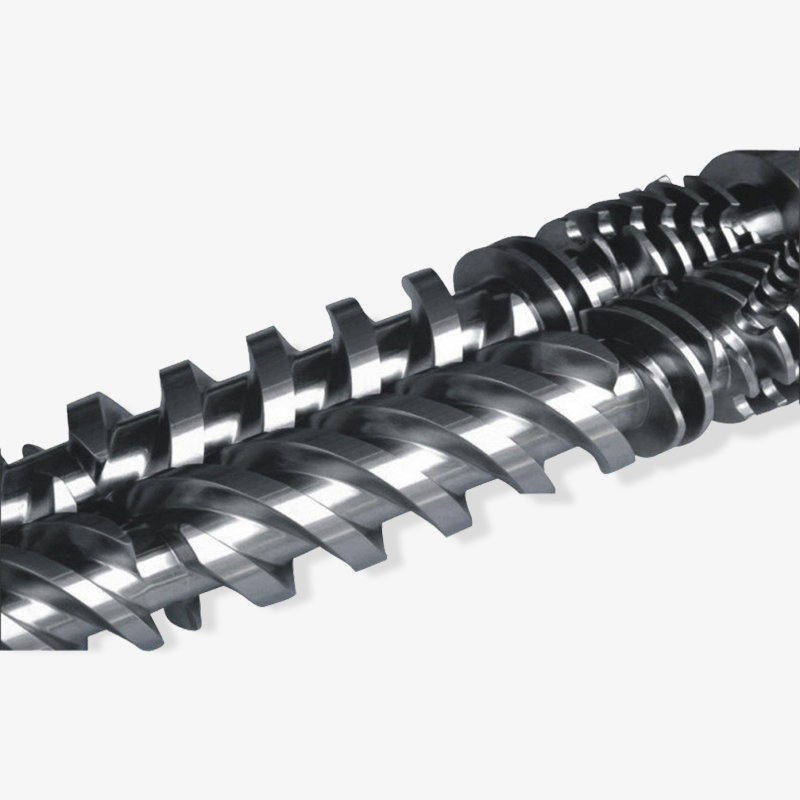
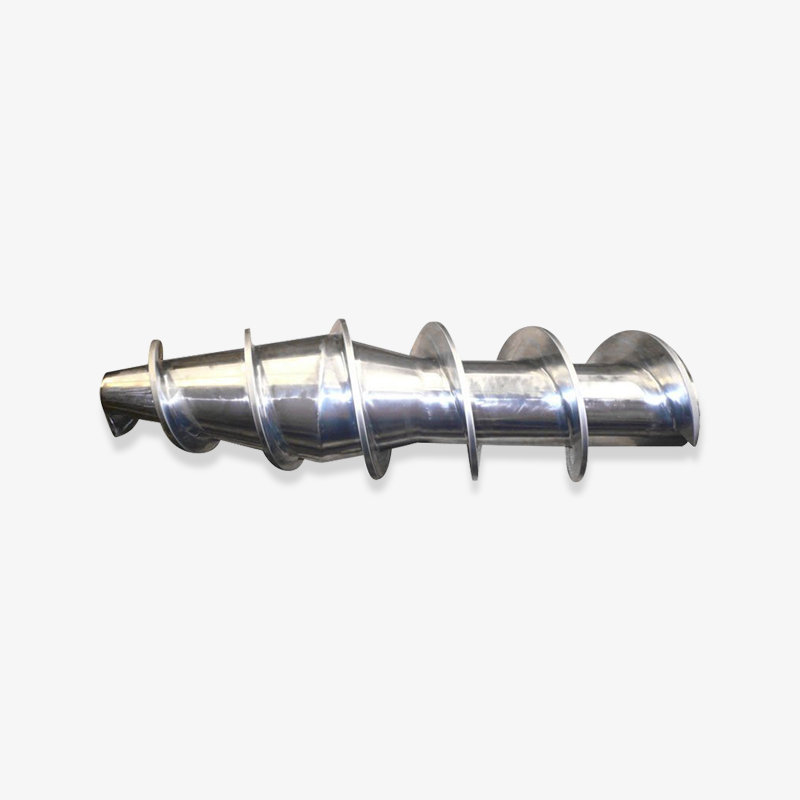
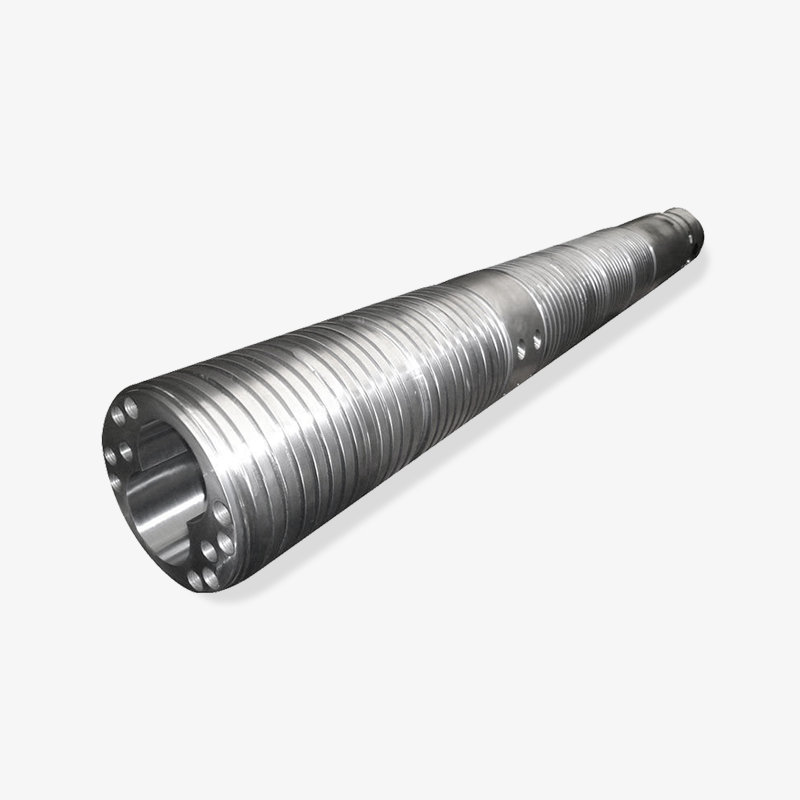
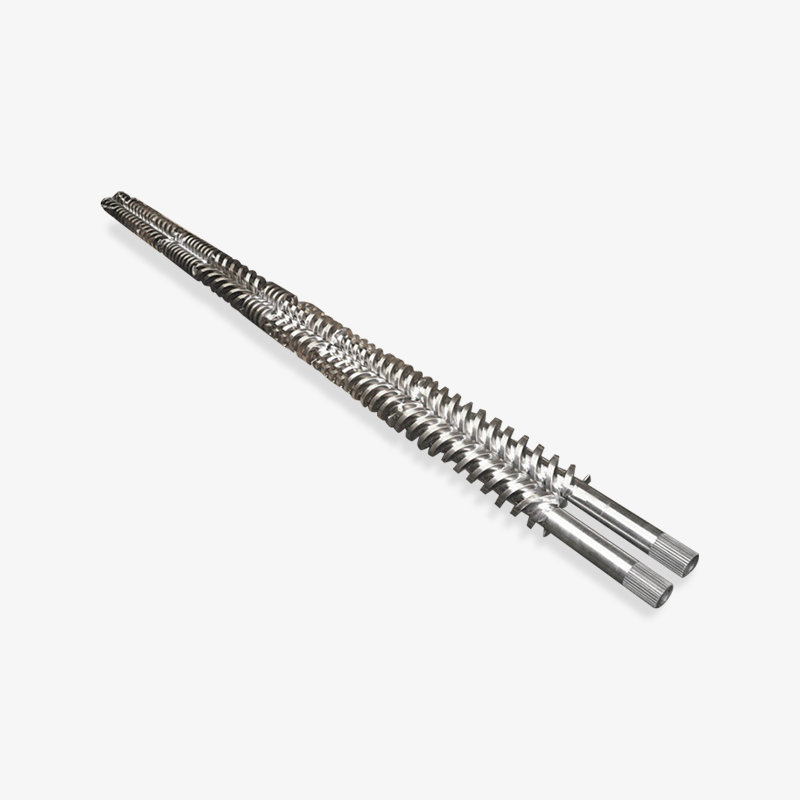
How to Choose Rubber Screw Barrel?
Content
- 1 Choose Based on L/D Ratio, Material, and Output First
- 2 The Three Non-Negotiable Technical Criteria
- 3 Material Matching: Nitrided vs. Bimetallic – Which One?
- 4 FAQ about Rubber Screw Barrel – Practical Answers
- 5 Step-by-Step Selection Checklist (with Decision Thresholds)
- 6 Cost Impact: Making the Wrong Choice
Choose Based on L/D Ratio, Material, and Output First
To select the right rubber screw and barrel, start with three concrete parameters: the length-to-diameter (L/D) ratio, the screw material grade (e.g., nitrided steel vs. bimetallic), and your target hourly output (kg/h). For most cold-feed rubber extruders, an L/D ratio between 12:1 and 16:1 delivers the best balance of shear and residence time. 90% of premature wear cases trace back to mismatched screw metallurgy for the rubber compound's abrasiveness.
The Three Non-Negotiable Technical Criteria
Ignoring any of the following three factors leads to measurable output loss or unplanned downtime. Use them as your initial filter.
- L/D Ratio (Length-to-Diameter): For rubber (not plastic), 12:1 to 16:1 is standard. Below 10:1 → poor mixing; above 18:1 → scorching risk. Example: A 120mm screw with 14:1 L/D = 1680mm effective length.
- Compression Ratio: Rubber requires 1.3:1 to 1.8:1. For natural rubber compounds → 1.4:1; for butyl or EPDM → 1.6:1.
- Surface Hardness: Barrel inner surface ≥ 60 HRC for non-abrasive rubber; ≥ 68 HRC for carbon-black or silica-filled mixes. Nitrile rubber with 30% carbon black reduces screw life by 40% if hardness is below 62 HRC.
Material Matching: Nitrided vs. Bimetallic – Which One?
The rubber compound’s filler type and processing temperature dictate the material. Below is a data-driven comparison from field failure analyses across 200+ extruder lines.
| Material Type | Max Operating Temp (°C) | Relative Wear Life (hours) | Best For |
|---|---|---|---|
| Nitrided (38CrMoAlA) | 380 | 6,000 – 8,000 | NR, SBR, pure gum compounds |
| Bimetallic (Ni-Cr + tungsten carbide) | 450 | 15,000 – 20,000 | Highly filled EPDM, NBR with silica |
Choose bimetallic if your compound contains >25% carbon black or any abrasive filler. In a case study, a hose manufacturer switched from nitrided to bimetallic and replaced screws every 24 months instead of every 6 months, saving USD 18,000 annually per extruder.
FAQ about Rubber Screw Barrel – Practical Answers
1. How often should I measure screw and barrel clearance?
Measure every 1,500 operating hours. Critical warning: If radial clearance exceeds 0.5% of screw diameter (e.g., 0.6mm for a 120mm screw), backflow increases by up to 25%. Replace when clearance reaches 0.8% of diameter.
2. Can I use a plastic extrusion screw for rubber?
No – never. Plastic screws have deeper channels and higher compression ratios (2.5:1 to 4:1). Using them for rubber generates excessive shear, raising temperature by 30-50°C above setpoint within 10 minutes, causing premature scorch.
3. What is the most common failure mode and how to prevent it?
Abrasive wear at the compression zone accounts for 68% of barrel failures. Prevention: install a replaceable wear-resistant liner (hardness ≥ 68 HRC) in the compression section. This single action triples barrel life from 12 months to 36 months in carbon-black-filled compounds.
4. Does screw design affect energy consumption?
Yes. A barrier-type screw reduces specific energy consumption (SEC) by 18-22% compared to a conventional full-flight screw. For a 200 kW extruder running 6,000 hours/year, that translates to 216,000 kWh saved – roughly USD 21,600 at $0.10/kWh.
Step-by-Step Selection Checklist (with Decision Thresholds)
Follow this ordered checklist to avoid common mismatches. Each step includes a go/no-go threshold.
- Identify rubber type → Natural rubber (NR): L/D 12:1; EPDM/Butyl: L/D 14:1 or higher.
- Check filler abrasiveness → If Mohs hardness > 3 (e.g., silica, carbon black), select bimetallic barrel with ≥ 68 HRC.
- Calculate target output → For output > 300 kg/h, screw diameter must be ≥ 150mm with a 1.6:1 compression ratio.
- Verify cooling capability → Rubber requires barrel cooling. Ensure at least 4 independent cooling zones for screws longer than 2,000mm.
Cost Impact: Making the Wrong Choice
Data from 34 rubber extruder replacements (2021-2024) shows clear financial outcomes.
- Undersized L/D (8:1 instead of 14:1) → Output 40% lower, scrap rate +15% due to poor mixing.
- Wrong material (nitrided for filled EPDM) → Barrel worn out in 3,200 hours vs. expected 12,000 hours. Replacement cost: USD 8,500 per incident.
- Correct selection (bimetallic + 14:1 L/D) → Payback period under 6 months from reduced downtime alone.
Selected Bearing Display


 浙公网安备33090202000520号